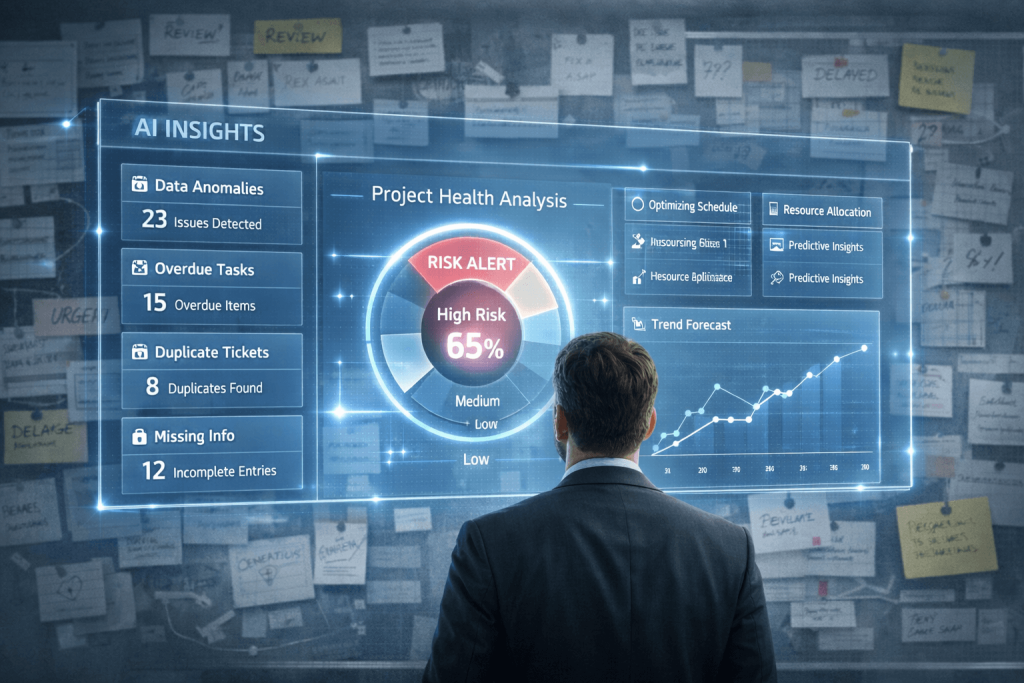


The Software Delivery Manager’s Predicament
Anita had been a software delivery manager at a Bengaluru tech firm for six years. She knew how to run sprints, meet deadlines, and keep stakeholders happy. Her calendar was her control centre. Her mind was clear.
Then the company introduced AI coding assistants.
At first, the results looked promising. Features shipped faster. Velocity improved. Leadership was pleased. But during daily stand-ups, something felt different.
One evening, Priya—a junior developer Anita had hired fresh out of college—stayed back after a one-on-one meeting.
“Can I ask you something?” Priya said softly. “If the AI writes the code and I just… fix it, am I even a real engineer anymore?”
Anita had no answer.
The next day, a senior architect named Vikram vented in the team channel:
“We’re not building software anymore. We’re babysitting bots.”
Three others immediately agreed.
Suddenly, Anita realised her role was no longer just about tracking delivery. It was about holding together a team caught between staying relevant and reinventing themselves. Her days became a series of back-to-back meetings, filled with nodding and reassuring. Day and night, conversations replayed in her mind—wondering whether she had said the right words, or any words at all.
Her calendar was still full.
But her mind was now clouded.
The Shop Floor Manager’s Credibility
As a maintenance manager at an automotive plant near Pune, Raja had earned his team’s trust the old-fashioned way—through instinct, experience, and being present. With fifteen years of experience on the shop floor, Raja could diagnose a machine simply by listening to it.
Then came AI.
One Tuesday morning, the new predictive maintenance dashboard flashed red:
“Press Line 3 – High Failure Risk. Recommended Action: Shut down within 48 hours.”
Raja walked to the machine. It sounded normal. The operators agreed—nothing seemed wrong.
Now Raja was caught between two worlds.
If he ignored the AI warning and the machine failed, he would be blamed for not trusting “the data.”
If he shut down the line and nothing was wrong, a full day’s production would be lost—and with it, his team’s confidence in his judgement.
A message buzzed on his phone from the plant head:
“What’s your call?”
That night, sleep did not come easily. The stress was not about learning new software. It was something deeper—being the person everyone looked to for answers while no longer feeling certain inside.
His mind needed clarity to make the right call.
These are just two examples, but they reflect the reality many mid-level managers face today.
The Quiet Crisis of Middle Management in the AI Era
Across industries, AI is shifting the middle manager’s role from technical supervision to high-stakes decision-making.
In Manufacturing, Telecom, Healthcare, Pharma, and Software, mid-level managers increasingly need to balance automated efficiency with human empathy. Yet regardless of the industry, the struggle leads to a shared human crisis: decision overload, a sense of losing control, and rising team burnout
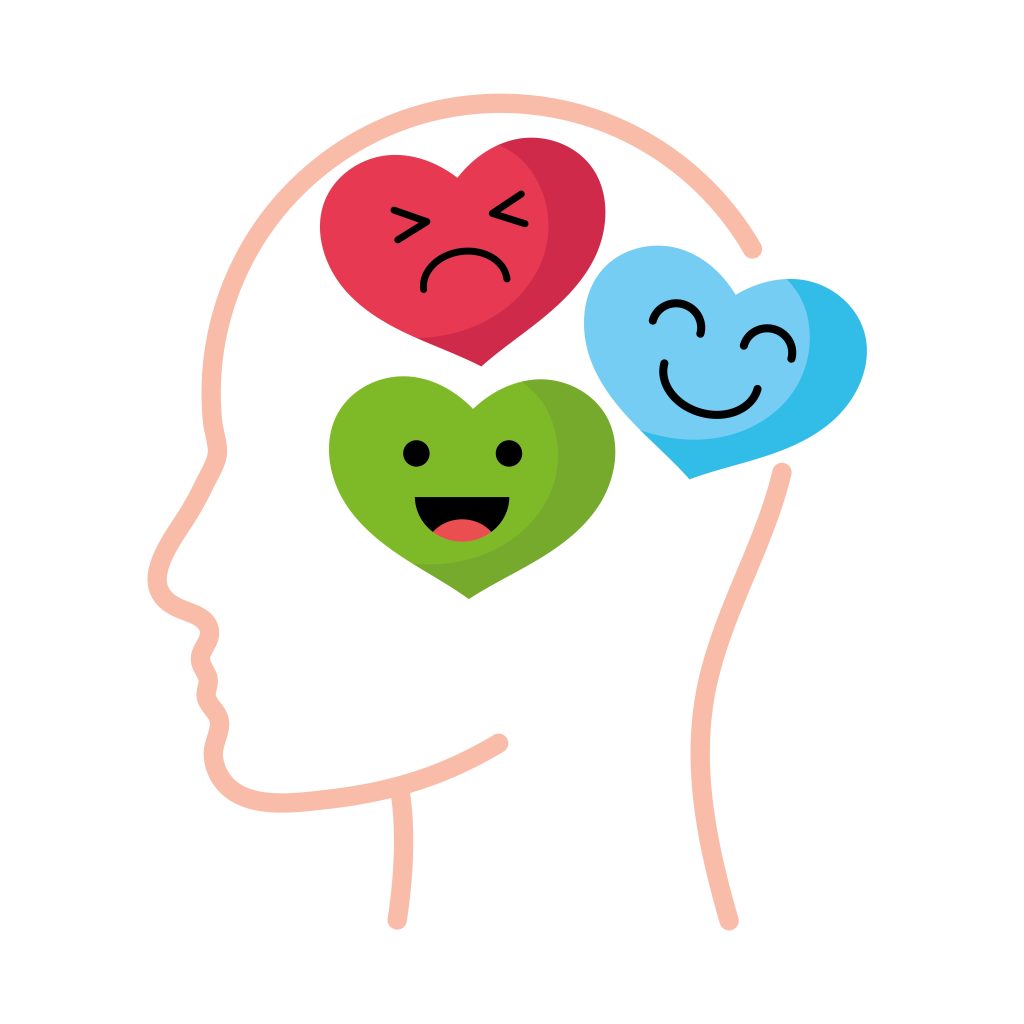
The need for high EQ
The biggest challenges AI brings are not just technical—they are emotional and mental. As well. As AI transforms organisations at a rapid pace, middle managers have become the corporate world’s primary shock absorbers. While executives set high-level strategy and frontline staff adapt to new tools, it is the managers in the middle who carry both the emotional and operational burden of change. Human judgement remains the key differentiator.
Middle managers must therefore rely on emotional intelligence (EQ)—self-awareness, empathy, and communication—to lead through change. But emotional intelligence weakens under ongoing stress. Studies have proved that EQ can be improved training the mind to improve the focus. We know that we can get things done better, resolve issues better, if we can focus our mind better through concentration. To concentrate is nothing but focussing on one issue at a time. No doubt our interest in things automatically develops concentration. However, dedicating a separate time for training the mind helps us to concentrate better, and surprisingly improves our overall well-being resulting in improved EQ!
What is Meditation?
Meditation is training the mind by focussing on breath or mantra or some form of visualisation to have a clearer mind. When we hear the word “meditation,” we may not immediately connect it with practical, everyday work life. Yet once its simplicity and value become clear, the hesitation quickly fades and we would able to see its relevance to our work life, more so, in the AI-era. In fact, today, executives across leading organisations practise meditation to regain focus, build calm, and train the mind.
In an era of AI-driven change, meditation is a powerful tool for preserving the “human edge” that machines cannot replace.
While AI speeds up the flow of information, meditation trains attention. By calming the amygdala—the brain’s threat centre—and strengthening the prefrontal cortex, meditation helps control impulsive, reactive behaviour triggered by constant alerts and urgency.
In an environment filled with unverified information and digital noise, meditation acts as a mental reset. It allows managers to stay in control of their inner narrative rather than letting algorithmic pressure shape their mindset.
Mindfulness and Heartfulness: Two Popular Paths
Two widely followed approaches that modern leaders find helpful are Mindfulness and Heartfulness.
Mindfulness
Mindfulness is the practice of intentionally focusing on the present moment with openness, curiosity, and without judgement.
Benefits include:
- Higher emotional intelligence (EQ)
- Reduced stress and anxiety
- Improved clarity and focus
- Better physical health
Heartfulness
Heartfulness Meditation is a heart-centred, Raja Yoga–based practice designed for modern life.
Benefits include:
- Developing emotional intelligence (EQ)
- Reducing burnout and stress
- Enhancing decision-making
- Improving work–life balance
- Supporting through difficult situations
Closing Thought
In the age of AI, leadership is no longer about controlling complexity. It is about staying calm, aware, and compassionate within it. By practising meditation, middle managers do not merely survive AI-driven change—they lead it with clarity and humanity while having a strong EQ.