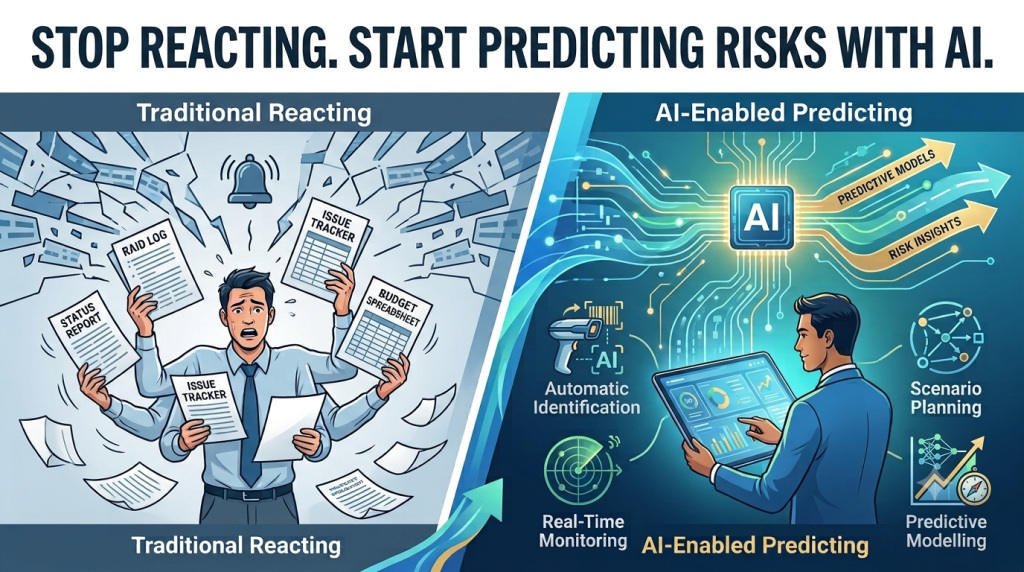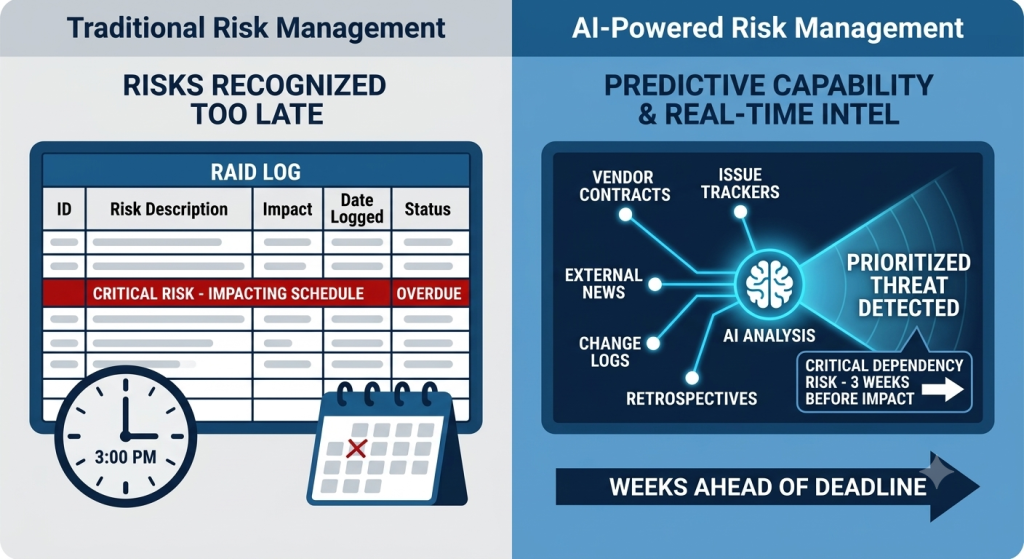




<image courtesy: generative AI>
When I’m referring to agile scaling, I’m not talking about any particular Scaling Frameworks. When we help a few teams in an organization to implement agile practices in a pilot phase and extend those practices across the org, there are some unique challenges we face. Usually it is subjective influenced by the org’s age, culture, nature of business, people, etc.
In this blog I’d like to study the use of Theory of Constraints (TOC) principles in scaling agile practices. The idea is to identify a structured way to eliminate bottlenecks to ensure value delivery and better efficiency. Also, to see whether TOC could address the scaling challenges like inter team dependencies, alignment of business objectives, process ineffectiveness, … and so on.
Courtesy: “Theory of Constraint Institute” (https://www.tocinstitute.org/theory-of-constraints.html)
The Theory of Constraints is a process improvement methodology that emphasizes the importance of identifying the “system constraint” or bottleneck. By leveraging this constraint, organizations can achieve their financial goals while delivering on-time-in-full (OTIF) to customers, avoiding stock-outs in the supply chain, reducing lead time, etc.
The Core Idea – Every system has a limiting factor or constraint. Focusing improvement efforts to better utilize this constraint is normally the fastest and most effective way to improve profitability.
Clearly this seem to address key challenges we would face while scaling agile practices.
Let us look into more details.
Step 1: Identify the Constraint
Find the biggest bottleneck in Agile transformation. Common Agile constraints include:
• Slow decision-making due to lack of leadership buy-in.
• Siloed teams that prevent collaboration.
• Lengthy approval processes delaying releases.
• Technical debt slowing down development speed.
• Overloaded teams with too many tasks in progress (WIP).
💡 Example: A healthcare IT product team struggles with long testing cycles due to manual testing, delaying releases. Testing is the constraint.
Step 2: Exploit the Constraint (Maximize Efficiency Without Major Changes)
Before making drastic changes, optimize the existing process around the constraint.
• If the constraint is manual testing, prioritize automation for high-risk areas.
• If the constraint is delayed approvals, introduce lightweight governance models.
• If the constraint is slow development, reduce WIP limits to focus on high-priority work.
💡 Example: The healthcare IT team prioritizes automating critical test cases first instead of automating everything at once.
Step 3: Subordinate Everything Else to the Constraint
Ensure other parts of the system do not create additional burden on the constraint.
• If testing is the constraint, ensure development teams write better unit tests to reduce testing effort.
• If decision-making is slow, streamline stakeholder involvement and define decision-making authority.
• If dependencies between teams cause delays, introduce Scrum of Scrums or cross-functional teams.
💡 Example: The development team improves code quality and test coverage to reduce defects, making testing more efficient.
Step 4: Elevate the Constraint (Remove or Expand the Constraint)
If optimizing around the constraint is not enough, invest in solutions to eliminate it.
• Hire more testers or adopt AI-driven test automation to speed up testing.
• Redesign processes to decentralize decision-making and empower Agile teams.
• Reduce tech debt through refactoring and continuous integration.
💡 Example: The healthcare IT team adopts CI/CD pipelines and increases test automation coverage, reducing testing time by 60%.
Step 5: Repeat the Process (Continuous Improvement)
Once one constraint is resolved, find the next bottleneck and repeat the process.
• If testing is no longer a bottleneck, the next constraint could be delayed customer feedback.
• If slow approvals were fixed, the next challenge could be poor backlog prioritization.
💡 Example: With faster testing, the team now identifies delayed user feedback as the next bottleneck and focuses on integrating real-time user analytics.
✅ Agile Transformation is an ongoing process—TOC ensures continuous improvement.
✅ TOC helps focus on high-impact bottlenecks, rather than attempting to “fix everything at once.”
✅ Combining TOC with Agile frameworks like Scrum, Kanban, etc creates a more efficient and adaptable organization.