


(An extract from PM Power’s upcoming book Full Stack Leadership)
Leadership is influencing and guiding people to achieve a shared vision or goal. Leadership can be exercised by an individual or a group of individuals acting together. It is not influenced by the person’s title or position in a hierarchy. Even the lowest ranking member in a hierarchy can exercise effective leadership. You can see that in the army, platoon sergeants sometimes are able to exert leadership influence on and coach and mentor younger lieutenants that are technically leading the platoons.
An effective leader has emotional intelligence, has integrity, is self-confident, has a vision for the future, is a good communicator, has empathy, is a good manager, is willing to take risks when required, thinks differently, creatively, and innovatively, listens to people and is willing to change when required, is resilient and persistent, and is proactive in times of crisis.
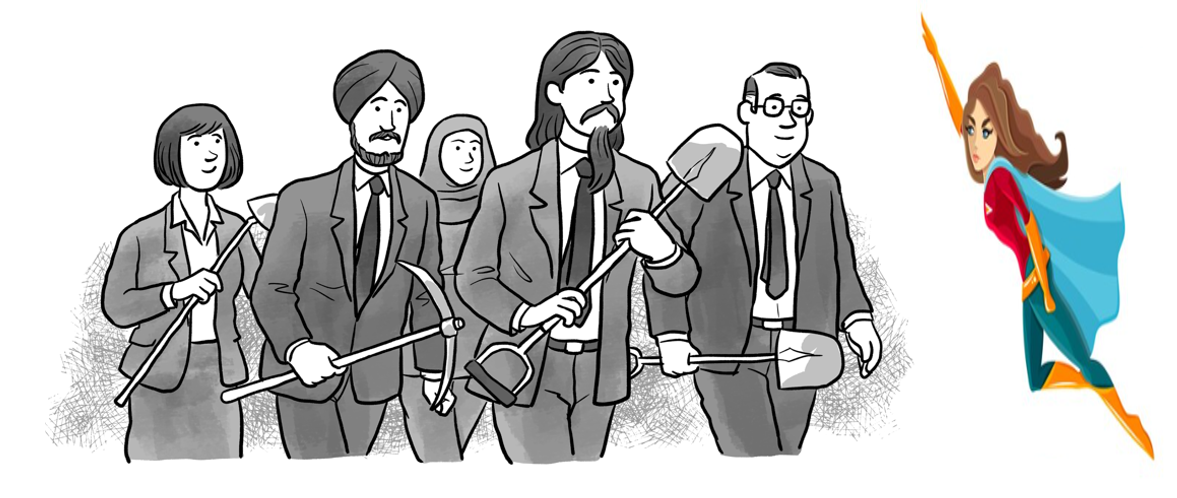
An ideal leader has to be a super-person. In Indian mystic thought, there is a concept called Ashta Siddhis or eight superpowers. These eight superpowers are Anima (become as small as one wants), Mahima (become as big as one wants), Garima (become as heavy as one wants), Laghima (become as light as one wants), Prapti (ability to get/gain whatever one wants), Prakamya (freedom of will or ability to adapt and survive in any circumstance), Ishitva (lordship over everything), and Vashitva (influence or other minds and other things). A full stack leader is a person who has all these superpowers to a good extent.
Anima of waste – The leader should reduce wastes of commission and omission to a minimum
Mahima of vision – The leader should have a growth mindset to be able to make their vision as large and as beneficial to stakeholders as possible
Garima of integrity – The leader should be able to increase their weight as much as they want, so that nobody is able to move them when it comes to integrity of character.
Laghima of ego – The leader should be able to make their ego as light as possible so that they can be a true servant leader
Prapti of happiness – The leader should be able to look out for opportunities to gain and bring happiness to all their stakeholders
Prakamya of learning – The leader should be able to have the will to learn from mistakes and failures and from others and be adaptable to face any situation, positive or negative.
Ishitva of business – The leader should have authority and responsibility over the business they are leading
Vashitva of influence – The leader should have great influence over all their stakeholders
Leaders emerge in all groups and societies, unless suppressed by conflicting interests. In these cases, leadership is not a self-declared attribute. Leadership is evident and validated when there is a followership. Effective and persuasive communication is a key skill here.
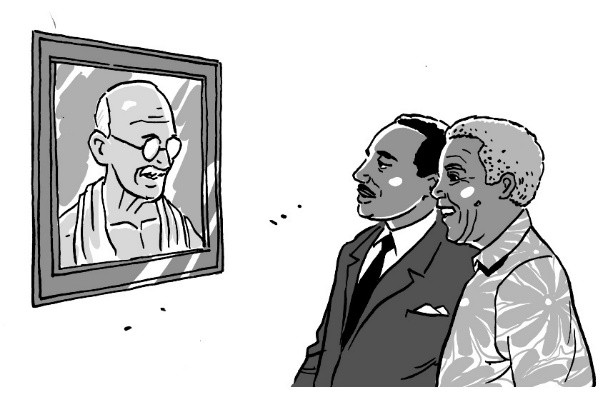
Mahatma Gandhi, Martin Luther King and Nelson Mandela are examples of effective leaders that emerged in highly oppressive and discriminatory environments and used their super powers to lead large groups of people to independence and self-confidence.
Leaders have to be super-persons. They need to have the eight super powers or Ashta Siddhis.